Art
Tuesday, December 29, 2020
Writer's Life: Writing Derailed and 3 Steps to Reclaiming Your Momentum (Katie)
1. Give yourself some grace
Tuesday, August 11, 2020
Tips for Finishing Your Novel (Lizzie)
On July 30 at 3:30 a.m. I finished my fifth full-length novel--less than a month before I had to have this 148,000 word baby edited, edited, edited, formatted, and uploaded for publishing. The unexpected length of the novel was only half of the reason I am running so close to deadline on Wrought of Silver and Ravens; the other reason is that finishing a novel is just hard. So I wanted to share some tips that I hope will help you finish yours with fewer late nights.
Tips for Finishing Your Novel
1) Expect the writing, especially of those big scenes, to be hard. Don't be surprised by that but have a plan in place so you can keep moving along.
2) When you're feeling stuck, study the craft of writing. Just reading a few pages of K.M. Weiland's books on story structure or listening to Brandon Sanderson's lectures on writing science fiction and fantasy will often stimulate my brain and help me through my plot difficulties.
3) Take frequent breaks to stretch or walk or do the dishes. Your body needs the exercise, your kitchen the cleaning, and those tasks where you can put on music and zone out for a bit are great for letting your brain relax and then explore new ideas. It's easier for you to delve deeper into your characters and story world when you're not staring at a computer screen, fingers poised. So as you walk or do hands-on work, rest your mind for a bit and then daydream about the story world and characters. Your story will be richer for those details that seem to come more easily when you're not writing.
4) Listen to the appropriate music. If you have a fight scene or other heart-pounding dramatic scene to write, listen to epic music, like Two Steps from Hell or movie music. Mood is important.
5) Recharge by reading and watching things you enjoy.
6) Don't stare dumbly at the computer screen re-reading your masterpiece for hours because you're too tired or intimidated to actually write new material. Re-reading can be helpful to get you started, but if it's most of what you're doing, just go to bed and get the rest you need to do more the next day. Also, if at all possible, or unless you're a night owl, don't put off your writing until 9 p.m. when you're already tired.
7) Stick it out. Sometimes you do need to sit at the computer for hours until the words flow. Plan any late-night marathons carefully so they won't cause trouble the next day when you're bleary-eyed and possibly short-tempered.
8) Write trash. You've all heard this before--the first draft will be terrible. Writers don't write; they rewrite. You can't edit what you don't have written. So if you hit a rough patch, skip it and come back, or just write junk and then keep on and fix it later.
9) Check the plot and the characters. A difficult time writing could mean there is something not working in the story--a hole in the plot or a character who's poorly developed or not consistent--that needs to be fixed.
10) Love your characters and your story. This one might be the most important because it helps you remember why you even want to finish the book in the first place. Also, the more you know something, the more you love it (usually). So loving your characters and story means you've done your homework to make them real to you. If your characters are real to you, if the goals and problems they face are meaningful to you and not shallow artifices to move the story along, then you'll love the story more and so will the readers.
11) Enlist friends to help keep you accountable and/or to give you feedback on your story as you go along. A critique from a trusted friend often spurs me on.
12) Set a deadline and establish some kind of accountability or incentive to finish. This could be a pre-order date, a swearing-off of tv until the book is finish, or whatever will motivate you. Just be sure to set a realistic deadline for finishing the book.
If you have trouble finishing a novel, I hope these tips help you. Do you have any other tips that you would recommend for finishing writing a story?
Tuesday, September 11, 2018
Stuck in the muck (Julie)
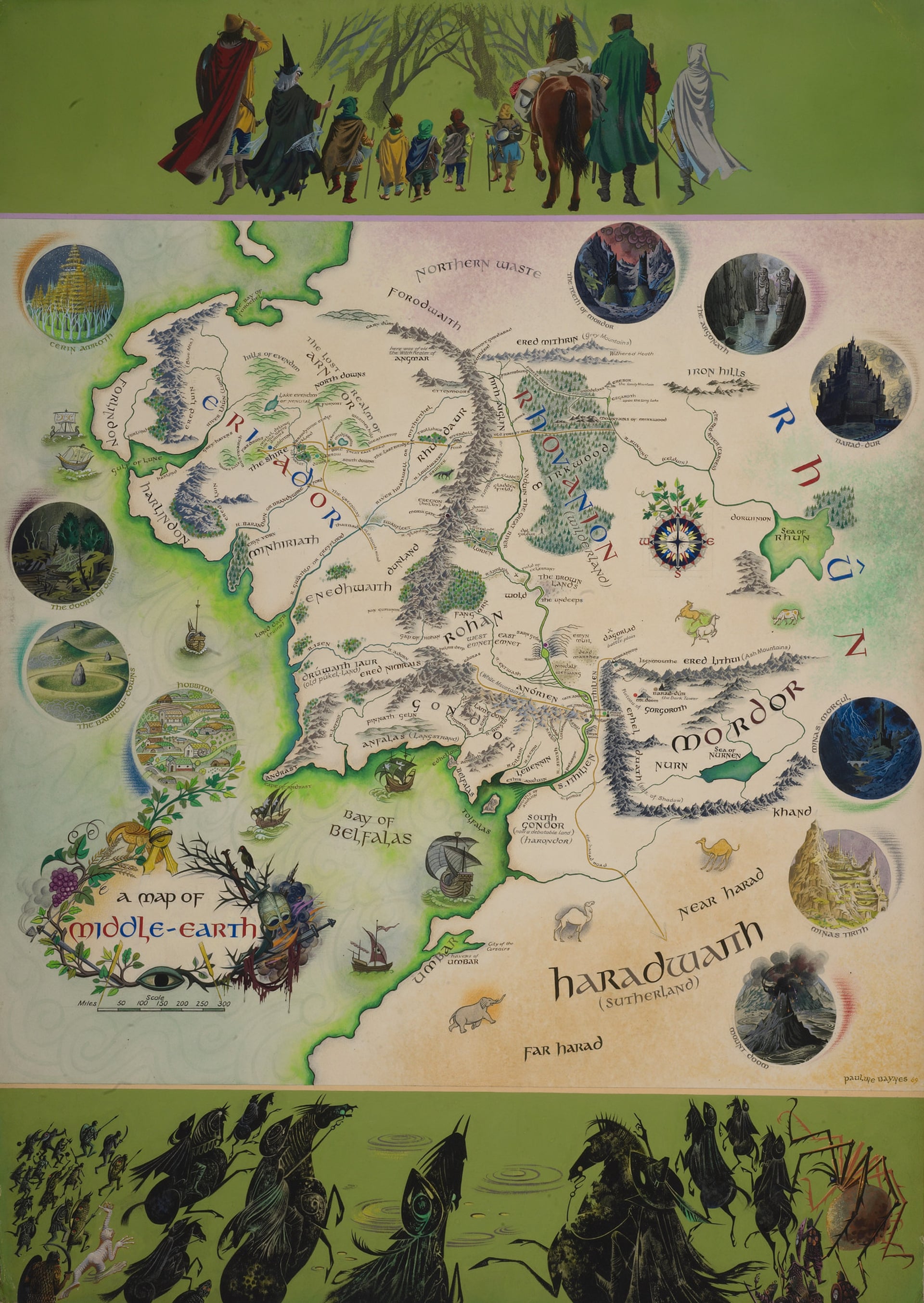
Have you ever gotten a creativity block while writing? I've been knee deep in one lately while trying to plan out the second book in my fantasy series. I have a very basic outline of the plot points but couldn't seem to get my creative juices flowing as to how the characters would get to each one. For weeks I've been trying to think creatively, but it's like I'm stuck in the unimaginative sludge pond. Until today.Because I couldn't write anything, I decided to take a break and work on something I've been putting off-creating a map of my fantasy world. So with book one's manuscript, a copy of Tolkien's Middle Earth map as a guide, and the LOTR soundtrack playing in the background, I got to work.
The more I worked on my map, the more my creativity surfaced, and I soon found myself plotting places and ideas on the map for book two and then making a bunch of notes so I wouldn't forget. There's still a few murky areas, but that can be where my panster side comes out.
Being in a creative/writer's block, I had to step away from writing and do something else that was creative. Writer's Digest discusses doing something else creative to help with writer's block in their article 7 Ways to Overcome Writer's Block.
This has really helped get my creative juices flowing, in fact I had to make myself stop to write this post.
What about you? I'd love to hear what you've found that works.
Saturday, January 21, 2017
Top 3 Ways to Combat a Creative Block (Elizabeth)
1. Journal
With my mom's Air Force history, she tells us that if we sweat more in practice, we'll bleed less in war. That's a gung-ho way of saying prevention is the best cure. Oftentimes, I get amazing ideas... when I don't need them or can't use them. I'll be in the middle of a tough edit for my current story, and I'll find a dozen story ideas clamoring at the gates of my mind. Or I'll be in the middle of a debate round and come up with an idea for a great case.
Keep a journal with you (or a running list on your phone) of ideas and things that inspire you. These can be writing prompts, quotes, pictures, stories, or character sketches. Pinterest can also be a useful tool, if you don't spend too much time on it.
By keeping a list of creative ideas flowing when you have them, you might be able to stop the block before it starts.
2. Talk It Out
When I'm stuck or trying to brainstorm, I find that having another human brain around comes in handy. Not that I'm recommending you keep organs around your house in jars or anything. I find human brains are most helpful when they're still within the person's skull. Anyway...
Grab a patient friend or family member, someone who is personally invested in you and, consequently, your story. Ask when they'll be free, because if you try to drag their attention away from another project, you're fighting a losing battle. You want their minds to be solely focused on the problem you're facing. Explain it to them and hear what they have to say. Their ideas might be completely useless, but those ideas might create a domino effect, inspiring you to create more of your own ideas.
3. Let Go and Let GodStrangely enough, I’ve found that at the source of my stress is a lack of faith. I’m preparing for my next speech and debate tournament, trying to keep up with my personal blog and this blog, trying to edit my manuscript, trying to get scholarships to go to an expensive college, and trying to get a driver’s license. Several times, I’ve wished that there were more than 24 hours in a day. Then I might have a teeny tiny chance of getting everything done. But God made 24 hours in a day for a reason. He knows what I can and can't do in 24 hours, and His plan doesn't require anymore of me than what I have.
If God wants you to write this manuscript, He has a plan for it--from that pesky scene that doesn't have the right pacing to the agent who's going to represent it. Trust that by pursuing God's calling for your life, He'll take care of the details.
What's the biggest problem that stops up your creativity? How do you deal with creative blocks to your writing?
Thanks for reading!
-Elizabeth Newsom
Saturday, January 14, 2017
Top 3 Ways to Combat A Creative Block (Jill)
It's happened to me. Both of my pregnancies robbed my creativity and "the voices" went silent. Below, I've listed a few ideas that helped me "unstick." The next time you're immobilized in that gray land where the ideas don't come, try one of these tips to get your creativity flowing again.
1. Take a break. Go for a drive, take a shower, grab a nap, exercise. The solution to your problem could be hidden in a different part of your brain. Whether it's a plot hole, or that difficult conversation you have to have with your supervisor, give your mind some time to figure out a solution. Some of my best ideas were born in the shower or while driving.
2. Look for the weird. If you go beyond simply observing and search for the unusual, it's amazing what you'll find. Newspapers, blog posts, and other books can offer a small nugget that answers your current problem. My local newspaper has a section on Sundays titled "News of the Weird." It's a good "what-if?" exercise.
3. Write (or press on) anyway. If you're stuck on a current problem, try what I call a snowflake map. (List your main idea in the center of a piece of paper with related ideas and possible solutions recorded on the spokes.) If you're truly lost, attempt work on another project. For writers, that could mean editing, creating a new plot or characters, or drawing a map of your world. It might help you move forward. Sometimes when I'm stuck on a single idea, I push forward and write anyway. It might be garbage, but I can edit garbage. I can't edit a blank page.
If none of these ideas work, you might have to wait it out. I've found that to be the toughest tactic of all. But if you're patient, eventually your brain will untangle your problem and your creativity will return.